
Transmission towers

We deliver end-to-end transmission tower solutions that support the safe, reliable, and efficient movement of energy across Australia’s power network. With expertise spanning foundation construction, stub setting, tower assembly, erection, and conductor stringing, our teams manage every stage with precision, safety, and technical excellence.

Catalpa delivers the capability, experience, and specialist workforce needed to build high-performing, long-lasting transmission infrastructure, supporting everything from major network upgrades to renewable energy connections and new corridor developments.
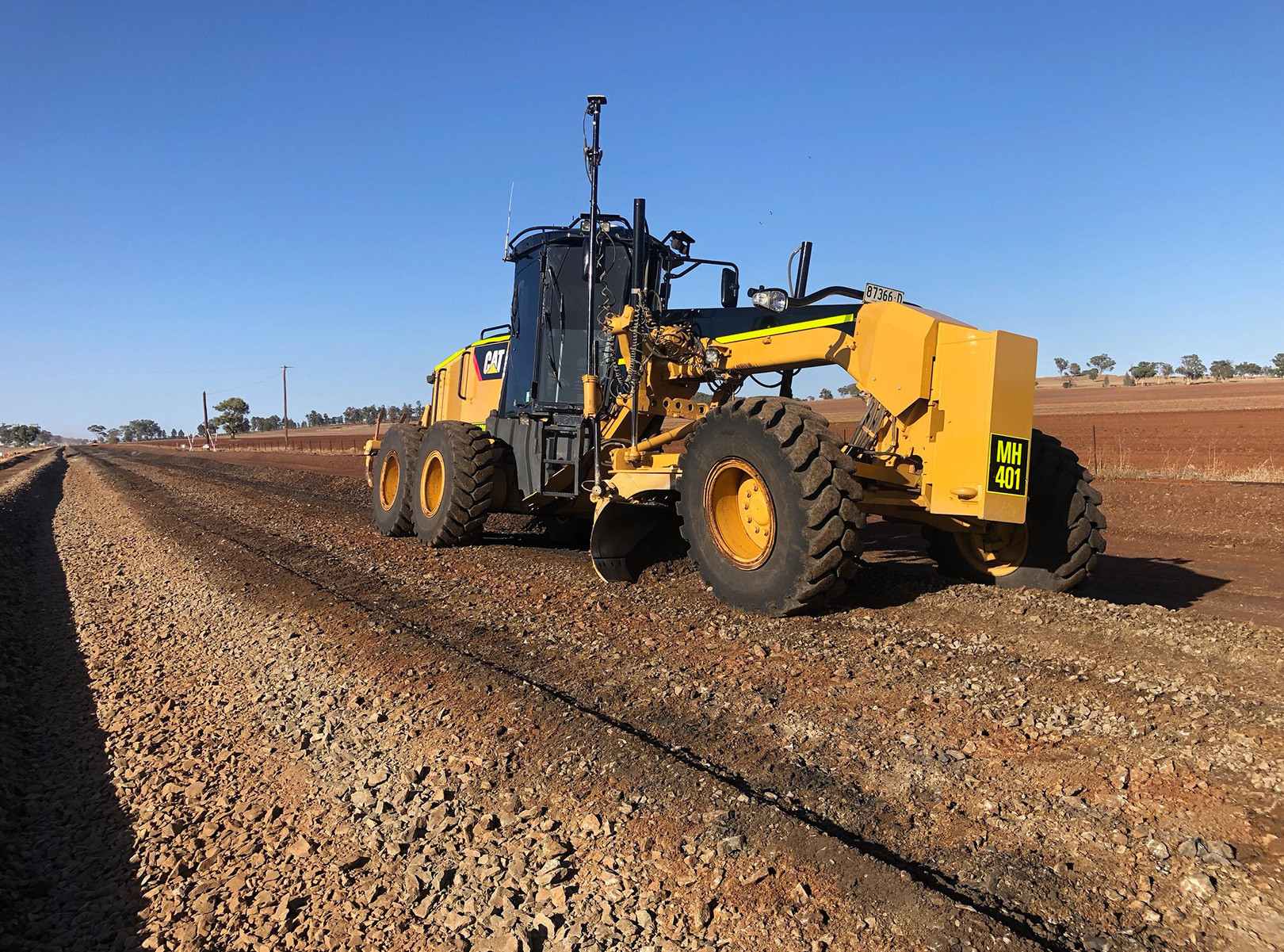
Stub setting

Stub setting is a critical stage in transmission tower construction, where steel stubs are installed into the foundations to form the structural base for tower erection. The process includes detailed site surveying, excavation, steel reinforcement installation, precise positioning and alignment of stubs, and FRP concrete works. Accurate alignment and levelling are essential to ensure structural stability and effective load transfer from the tower into the ground. With extensive experience in this specialised discipline, the team has successfully delivered more than 1,200 stubs on PEC Line 5.

About us 2
About us 2

Tower assembly

Our team of highly skilled line workers delivers expert assembly and erection services for transmission towers, drawing on both national and international experience.

Tower sections are pre-assembled on the ground using cranes or specialised lifting equipment, with assembly methods tailored to suit each tower type. All structures undergo thorough inspection and verification on the ground prior to erection, ensuring accuracy, safety, and efficient installation once lifted into position.

Tower erection

Once assembly is complete, tower sections are lifted into place using cranes or heavy lifting equipment and secured onto the foundation.

For vertical builds, sections are added progressively from the base upward, maintaining precise alignment and structural stability throughout the process. All bolts and fasteners are tightened to the required torque specifications, and comprehensive final inspections are carried out to confirm compliance with design and safety standards. This ensures each tower is structurally sound, able to withstand environmental forces, and ready to support its operational load.

About us 2
About us 2

Stringing

Stringing begins with detailed site inspections and the setup of specialised equipment to ensure a safe and efficient operation.

A pilot line is first installed to guide the conductor pulling process, after which conductors are attached and drawn through the tower assemblies. Tension is carefully adjusted to achieve the correct sag, and conductors are then secured to insulators. Final inspections and electrical testing confirm installation quality and integrity.

These transmission systems are essential for carrying energy from wind and solar farms to substations and BESS facilities, enabling efficient distribution and supporting a more sustainable Australia.

ACD (anti-climbing devices) works

Installation of engineered anti-climbing systems designed to prevent unauthorised or unsafe access to transmission towers. This includes fitting ACD materials at designated heights and locations to reduce the risk of climbing, protect personnel and the public, and safeguard the structural integrity of the tower from damage or interference.

About us 2

Want to learn more?
Get in touch.

Contact
We're a Lighthouse Industries Company